

Human Menopausal Gonadotropin(HMG)For Bodybuilding CAS:61489-71-2
Human Menopausal Gonadotropin (hMG) is a pharmaceutical compound derived from the urine of postmenopausal women. It contains two key gonadotropins: Follicle-Stimulating Hormone (FSH) and Luteinizing Hormone (LH), both critical for reproductive functions.
Introduction to Human Menopausal Gonadotropin (hMG)
Human Menopausal Gonadotropin (hMG) is a pharmaceutical compound derived from the urine of postmenopausal women. It contains two key gonadotropins: Follicle-Stimulating Hormone (FSH) and Luteinizing Hormone (LH), both critical for reproductive functions. While primarily used in fertility treatments to stimulate ovulation or spermatogenesis, hMG has found a niche in bodybuilding due to its hormonal regulatory effects, particularly in mitigating the side effects of anabolic steroid use.


Features of hMG
Composition: Combines FSH (75 IU) and LH (75 IU) per standard ampoule, mimicking natural pituitary secretion.
Source: Extracted and purified from postmenopausal urine, though recombinant versions exist.
Administration: Subcutaneous or intramuscular injections, requiring medical precision.
Regulation: Strictly controlled for fertility use, but accessed off-label by athletes.
Applications in Bodybuilding
Testicular Atrophy Prevention: Anabolic steroids suppress natural testosterone, causing testicular shrinkage. hMG's LH component stimulates Leydig cells to produce testosterone, while FSH supports spermatogenesis, maintaining testicular volume.
Hormonal Homeostasis: Counteracts hypothalamic-pituitary-testicular axis (HPTA) suppression during cycles, preserving endogenous hormone production.
Fertility Preservation: Addresses steroid-induced infertility by sustaining sperm production, a unique dual action compared to hCG (which only mimics LH).
Benefits Over Traditional Therapies
Dual Hormonal Action: Unlike hCG, hMG provides both FSH and LH, offering a more holistic approach to HPTA recovery.
Enhanced Recovery Post-Cycle: May accelerate the restoration of natural testosterone, reducing "crash" phases marked by fatigue and muscle loss.
Reduced Estrogenic Side Effects: By directly stimulating testosterone production, hMG may lower reliance on aromatase inhibitors compared to synthetic androgens.
Dosage Protocols
Typical Range: 75–150 IU administered every other day, adjusted based on cycle severity and individual response.
Cycle Integration: Used alongside steroids (8–12 weeks) or during Post-Cycle Therapy (PCT). Some protocols advocate for shorter bursts (4–6 weeks) post-cycle.
Stacking: Often paired with SERMs (e.g., Clomid) and aromatase inhibitors to optimize hormonal balance.
Half-Life and Administration Timing
Half-Life: Approximately 24–48 hours, necessitating frequent injections (every other day) to maintain stable levels.
Timing Considerations: Aligned with workout schedules to avoid interference, though timing is less critical than consistency.
Role in Post-Cycle Therapy (PCT)
Mechanism: hMG's FSH/LH synergy jumpstarts the HPTA axis, which is dormant after steroid use. It bridges the gap until natural gonadotropin production resumes.
Controversy: While hCG is PCT mainstream, hMG's added FSH may improve spermatogenic recovery, though evidence is anecdotal. Critics argue hMG's cost and complexity outweigh marginal benefits.
Risks and Controversies
Ovarian Hyperstimulation Risk (in Women): Irrelevant to male users but underscores potency.
Allergic Reactions: Urine-derived hMG may trigger immune responses, unlike recombinant versions.
Hormonal Imbalance: Overuse can desensitize Leydig cells or elevate estrogen via testosterone aromatization.
Legal and Access Issues: Classified as a fertility drug, obtaining hMG without prescription breaches regulations in many countries.
hMG vs. hCG: A Bodybuilding Perspective
hCG: Mimics LH alone, cheaper, and widely used but neglects FSH, potentially leading to incomplete testicular recovery.
hMG: Offers comprehensive HPTA support but is cost-prohibitive and less accessible. Bodybuilders debate its necessity, often reserving it for severe suppression cases.
Novel Insights and Uncommon Considerations
Synergistic Use with Peptides: Combining hMG with growth hormone-releasing peptides (e.g., GHRP-6) may enhance muscle recovery, though this is speculative.
Long-Term Fertility Studies: No data confirm hMG's efficacy in preserving fertility beyond cycle duration, posing ethical dilemmas.
Psychological Impact: The burden of frequent injections and monitoring may deter users, favoring simpler protocols.
Ethical and Health Implications
Off-Label Use Risks: Self-administration without medical oversight increases complications like infection or improper dosing.
Ethical Dilemmas: Sourcing hMG from fertility markets potentially deprives intended patients, raising moral concerns.
Clinical Data
|
Trade names |
Menotropin,human menopausal gonadotropin or hMG,Repronex |
|
CAS |
61489-71-2 |
|
Molar mass |
142.24 |
|
Formula |
C9H18O |
|
Purity |
Above 98% |
|
Apprarance |
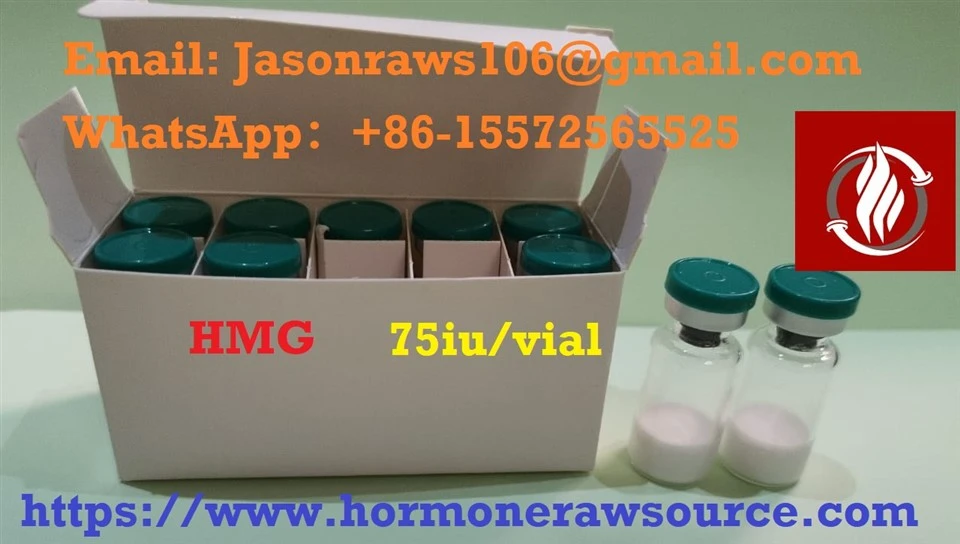
75iu/vial, 10vials/box |
Any needs, please contact us
Email: Jasonraws106@gmail.com
WhatsApp: +86-15572565525
Telegram: +86-19128233885



Conclusion
hMG presents a nuanced option for bodybuilders grappling with steroid side effects. Its dual hormonal action offers theoretical advantages in HPTA preservation, yet practical challenges-cost, legality, and administration-limit its popularity. While promising, hMG requires cautious, informed use and underscores the broader issue of performance-enhancing drug risks. Always consult healthcare professionals before considering hMG, prioritizing health over aesthetic gains.
Hot Tags: human menopausal gonadotropin(hmg)for bodybuilding cas:61489-71-2, China human menopausal gonadotropin(hmg)for bodybuilding cas:61489-71-2 manufacturers, suppliers, factory

