


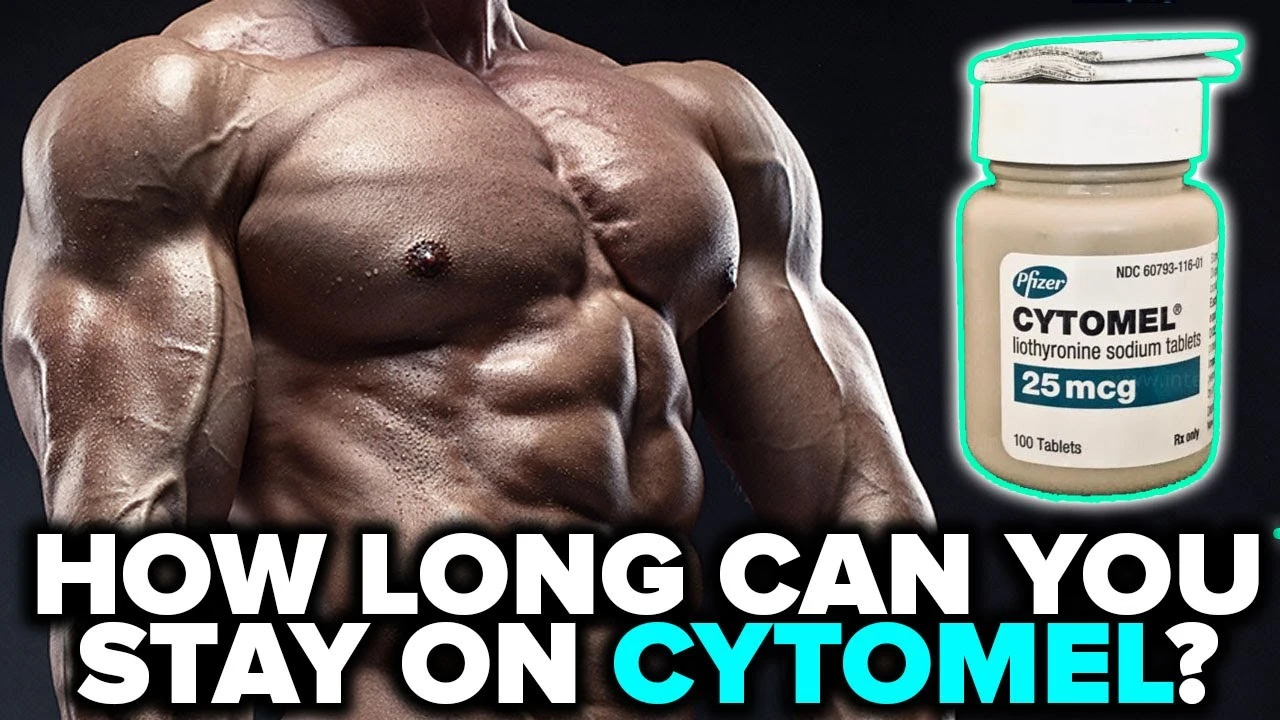
T3(Liothyronine Sodium)25mcg For Bodybuilding CAS:6893-02-3
Liothyronine Sodium, commonly known as T3, is a synthetic form of the thyroid hormone triiodothyronine. While its primary medical use is to treat hypothyroidism, it has garnered attention in bodybuilding for its metabolic-enhancing properties. This article delves into the unique aspects of T3, exploring its role in physique enhancement, dosing strategies, and ethical considerations, while emphasizing lesser-discussed nuances to ensure originality.
Understanding T3: Beyond the Basics
T3 is a potent hormone directly influencing cellular metabolism. Unlike thyroxine (T4), which requires conversion to T3 in the liver, synthetic T3 bypasses this step, offering rapid effects. Its primary function is to regulate mitochondrial activity, increasing ATP production and thermogenesis. For athletes, this translates to accelerated fat oxidation, making it a tool for cutting phases. However, its catabolic potential necessitates careful use to avoid muscle loss.
Key Features
●Bioavailability: 95–100%, with effects noticeable within hours.
●Half-Life: 18–24 hours, requiring once-daily dosing (contrary to outdated split-dose recommendations).
●Synergy: Often stacked with beta-agonists (e.g., clenbuterol) or anabolics to counteract muscle breakdown.

Applications in Bodybuilding: Strategic Use Cases
T3 is not a standalone solution but a component of a meticulously planned regimen.
A. Cutting Phases
During caloric deficits, T3 preserves metabolic rate, preventing adaptive thermogenesis (metabolic slowdown). Studies suggest T3 mitigates the drop in resting energy expenditure by 15–20%, enhancing lipolysis without drastic calorie cuts.
B. Contest Preparation
Elite bodybuilders integrate T3 in peak weeks to achieve extreme leanness. Unlike diuretics, T3 targets stubborn fat (e.g., lower back, glutes) through increased adrenergic receptor activity.
C. Post-Bulking Recovery
Post-mass-gain cycles, T3 helps normalize thyroid function suppressed by prolonged caloric surplus, though this application remains debated.
Benefits: Beyond Fat Loss
●Muscle Sparing: When combined with anabolic agents (e.g., testosterone, trenbolone), T3's catabolic effects are neutralized, preserving lean mass.
●Glycogen Optimization: T3 enhances insulin sensitivity, improving nutrient partitioning-critical during refeeds.
●Cognitive Edge: Elevated metabolism may boost focus and training intensity, though anecdotal.
Dosage: Precision Over Guesswork
A. Threshold Dosing
●25–50 mcg/day: Effective for moderate fat loss with minimal muscle loss.
●75–100 mcg/day: Reserved for advanced users under strict medical supervision; risks hyperthyroidism (tachycardia, tremors).
B. Gender-Specific Considerations
Women often require lower doses (12.5–25 mcg) due to smaller body mass and heightened sensitivity.
C. Duration & Tapering
●Cycle Length: 6–8 weeks maximum to avoid thyroid atrophy.
●Taper Protocol: Reduce by 12.5 mcg weekly post-cycle to stimulate endogenous thyroid recovery.
Cycle Design: Advanced Protocols
Sample Stack for Competition Prep
●Weeks 1–2: T3 (25 mcg) + Clenbuterol (40 mcg) + Testosterone Propionate (100 mg EOD)
●Weeks 3–6: T3 (50 mcg) + Clen (80 mcg) + Trenbolone Ace (50 mg EOD)
●Weeks 7–8: T3 (25 mcg) + hGH (4 IU/day) for nutrient partitioning.
Rationale: Anabolics counteract catabolism, while hGH aids in fat mobilization and recovery.
Half-Life & Timing: Debunking Myths
Despite a 24-hour half-life, timing relative to workouts matters. Administering T3 pre-cardio may enhance fatty acid oxidation due to circadian cortisol alignment. However, nocturnal dosing is discouraged to prevent insomnia.
Post-Cycle Therapy (PCT): Thyroid Recovery
●Myth-Busting: Unlike AAS, T3 does not suppress the HPT axis but may downregulate thyroid peroxidase. Post-cycle strategies include:
●T4 Supplementation: 50–100 mcg/day for 2–4 weeks to reactivate thyroid feedback loops.
●Natural Aids: Iodine (200 mcg/day) and selenium (200 mcg/day) support thyroxine synthesis.
Risks & Mitigation: Underreported Dangers
●Cardiac Stress: T3 increases β-adrenergic sensitivity, risking arrhythmias. Co-administration with omega-3s (3g/day) may reduce inflammation.
●Muscle Wasting: High doses (>75 mcg) without anabolics degrade contractile proteins. Regular BCAA intake (10g pre-workout) may attenuate this.
●Thyroid Atrophy: Chronic use (>12 weeks) can cause permanent hypothyroidism, necessitating TRT-like thyroid replacement.
Ethical & Legal Landscape
●WADA Status: Banned in competition; athletes face sanctions.
●Prescription Requirements: Legally mandated in most countries, driving black-market risks (counterfeit products often misdosed).
Alternatives to T3: A Comparative Lens
●T4 (Levothyroxine): Less catabolic but slower-acting; requires conversion.
●DNP: Greater fat loss but lethal in overdose.
●Semaglutide: Emerging for fat loss but lacks metabolic precision.
Clinical data
|
Trade names |
Cytomel, Tertroxin |
|
CAS |
6893-02-3 |
|
Molar mass |
672.959 |
|
Formula |
C15H11I3NNaO4 |
|
Purity |
Above 98% |
|
Apprarance |
25mcg*100,40mcg*100 |
Any needs, please contact us
Email: Jasonraws106@gmail.com
WhatsApp: +86-15572565525
Telegram: +86-19128233885



Conclusion: A Double-Edged Sword
T3's efficacy in bodybuilding hinges on strategic dosing, synergistic stacking, and vigilant monitoring. While it offers unparalleled metabolic acceleration, its margin for error is slim. Natural athletes should prioritize diet and cardio, reserving T3 for competitive contexts where risks are justified. Always consult endocrinologists pre-use, as thyroid health is irreplaceable.
Hot Tags: T3(Liothyronine Sodium)25mcg For Bodybuilding CAS:6893-02-3, China T3(Liothyronine Sodium)25mcg For Bodybuilding CAS:6893-02-3 manufacturers, suppliers, factory

