

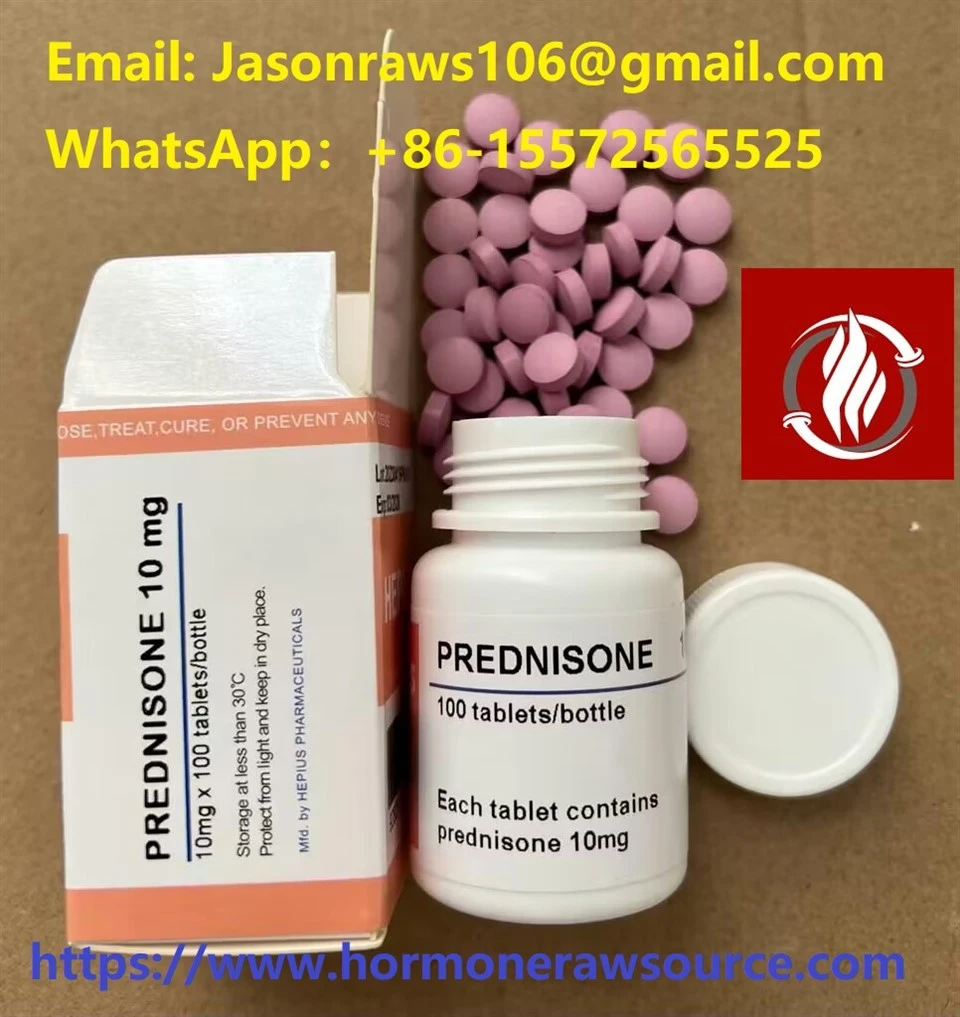
High-Quality STROMUSC Prednisone 10mg For Anti-inflammatory CAS:53-03-2
Prednisone stands as one of the most widely prescribed oral corticosteroids in modern medicine, with the 10mg dosage representing a standard intermediate-strength tablet frequently utilized across numerous inflammatory conditions. Unlike anabolic steroids associated with muscle-building regimens, prednisone belongs to the glucocorticoid class—synthetic hormones that mirror cortisol, the body's endogenous anti-inflammatory compound produced by the adrenal cortex. Understanding its pharmacological behavior, appropriate clinical deployment, and safe discontinuation protocols remains essential for both healthcare providers and patients navigating chronic inflammatory disorders.
What Prednisone 10mg Actually Is
Manufactured as a round, frequently white or off-white scored tablet, prednisone 10mg functions as a prodrug-meaning the compound undergoes hepatic conversion to prednisolone before exhibiting therapeutic activity. This metabolic transformation occurs rapidly in the liver through enzymatic processing, after which prednisolone binds with high affinity to glucocorticoid receptors distributed throughout virtually every human tissue. The 10mg strength occupies a unique position in the dosing spectrum: potent enough to suppress moderate inflammatory responses, yet lower than the high-dose pulsed regimens reserved for acute crises like lupus nephritis or severe asthma exacerbations.
The medication's molecular architecture enables it to penetrate cell membranes easily, allowing intracellular access where it modulates gene transcription. By upregulating anti-inflammatory proteins while suppressing pro-inflammatory cytokines-particularly interleukin-1, interleukin-6, and tumor necrosis factor-alpha-prednisone fundamentally alters cellular behavior rather than merely masking symptoms. This genomic mechanism distinguishes genuine corticosteroid therapy from over-the-counter anti-inflammatory approaches.


Distinctive Pharmacological Features
Several characteristics separate prednisone from non-steroidal anti-inflammatory drugs and other immunosuppressants. Its oral bioavailability approaches approximately 80-90%, making it highly predictable when administered by mouth. The compound demonstrates low plasma protein binding compared to endogenous cortisol, leaving a substantial free fraction available for biological activity. Notably, prednisone exhibits mineralocorticoid activity roughly half that of hydrocortisone, meaning fluid retention and electrolyte disturbances occur less frequently than with natural cortisol equivalents, though these effects remain clinically relevant at higher doses or prolonged durations.
The drug's intermediate duration of action permits once-daily or alternate-day administration strategies, offering flexibility unavailable with ultra-short-acting corticosteroids. Its therapeutic index-the ratio between effective anti-inflammatory doses and doses producing significant adverse effects-remains relatively favorable for short-term interventions, though this margin narrows considerably with extended use exceeding two weeks.
Clinical Applications and Indications
The 10mg prednisone tablet finds utility across an extraordinarily broad therapeutic landscape. Rheumatologists frequently prescribe it for rheumatoid arthritis flares, polymyalgia rheumatica, and temporal arteritis, where it serves as both diagnostic tool and treatment modality. Pulmonologists rely upon it for eosinophilic asthma, hypersensitivity pneumonitis, and organizing pneumonia. Dermatologists deploy it for severe psoriasis, bullous pemphigoid, and contact dermatitis unresponsive to topical therapy.
Beyond these specialties, prednisone 10mg addresses inflammatory bowel disease exacerbations, particularly Crohn's disease and ulcerative colitis during moderate flares. Nephrologists utilize it for minimal change disease and certain vasculitides. Neurologists prescribe it for multiple sclerosis relapses, optic neuritis, and complex migraine variants with inflammatory components. Hematologists incorporate it into chemotherapy regimens for lymphoid malignancies, capitalizing on its lympholytic properties.
The common thread across these diverse applications involves pathological immune activation-whether directed against self-tissues in autoimmunity, against environmental triggers in hypersensitivity, or as a component of neoplastic processes. Prednisone does not cure underlying disease; rather, it controls the inflammatory damage while definitive treatments or natural resolution proceed.
Therapeutic Benefits and Clinical Value
When appropriately indicated, prednisone 10mg delivers rapid, measurable improvement in quality of life. Patients with debilitating joint inflammation often report functional recovery within 24-72 hours of initiation-far exceeding the response timelines of disease-modifying antirheumatic drugs that require weeks or months for full effect. This rapidity makes prednisone invaluable as bridging therapy while slower-acting agents achieve therapeutic concentrations.
The oral route eliminates the need for invasive administration, supporting outpatient management of conditions that previously required hospitalization. The scored 10mg tablet permits precise dose titration; patients can split tablets to achieve 5mg adjustments, enabling personalized therapy matched to disease severity and individual steroid sensitivity. Compared to biologic agents costing thousands monthly, prednisone remains economically accessible, ensuring treatment availability across diverse socioeconomic populations.
Furthermore, short courses of 10mg prednisone demonstrate relatively benign side effect profiles for most patients, allowing intermittent use for recurrent conditions without cumulative toxicity concerns-provided adequate recovery periods separate treatment episodes.
Dosage Considerations and the 10mg Threshold
The 10mg dose represents approximately twice the physiological cortisol replacement requirement (roughly 5mg prednisone equivalency to 20mg hydrocortisone). This supraphysiological level provides genuine anti-inflammatory and immunosuppressive effects without immediately plunging patients into the high-risk category associated with doses exceeding 20mg daily.
For many chronic inflammatory conditions, clinicians initiate therapy at higher doses-perhaps 40-60mg-then taper toward 10mg as disease control establishes. The 10mg level frequently serves as a maintenance plateau, the lowest effective dose preventing relapse while minimizing long-term complications. Some protocols employ 10mg as a starting point for mild-to-moderate conditions: allergic bronchopulmonary aspergillosis, moderate asthma exacerbations, or localized inflammatory dermatoses.
Pediatric dosing follows weight-based calculations, typically 0.5-2mg/kg/day depending on severity, though adult 10mg tablets may be divided for adolescent patients. Elderly individuals often require cautious initiation at 10mg or below due to altered drug metabolism, increased osteoporosis risk, and heightened susceptibility to glucose intolerance and mood disturbances.
Treatment Protocols: Understanding Duration and Scheduling
Unlike anabolic substances associated with bodybuilding culture, prednisone does not follow "cycles" in the conventional performance-enhancement sense. Medical professionals instead discuss treatment courses-defined periods of administration with specific therapeutic endpoints. These courses vary dramatically by indication: a brief 5-day burst for acute bronchitis, a two-week tapering course for gout, or months-long maintenance for giant cell arteritis.
The concept of "cycling" prednisone in the anabolic steroid sense proves both medically inappropriate and potentially dangerous. Arbitrary on-off patterns without disease-based justification risk therapeutic failure, rebound inflammation, and unnecessary adrenal suppression. However, physicians do employ structured intermittent strategies: alternate-day therapy (taking 10mg every other morning) preserves some hypothalamic-pituitary-adrenal axis function while maintaining disease control. Pulse dosing-high doses for brief periods followed by rapid return to 10mg or zero-represents another recognized approach for specific nephritic or dermatological emergencies.
Patients must understand that prednisone demands medical supervision throughout any treatment modification. Self-directed "cycles" based on internet protocols ignore the nuanced relationship between inflammatory disease activity, corticosteroid pharmacodynamics, and individual adrenal reserve capacity.
Half-Life, Clearance, and Biological Duration
Prednisone itself possesses a remarkably short plasma half-life of approximately 60 minutes. However, this figure proves clinically misleading without understanding the complete pharmacokinetic picture. After hepatic conversion to prednisolone, the active metabolite demonstrates a plasma half-life ranging from 2 to 4 hours in healthy individuals. Yet biological effects persist far longer due to genomic mechanisms-altered gene transcription continues influencing cellular behavior for 12 to 36 hours after administration.
This extended biological half-life explains why once-daily morning dosing proves effective for many conditions, aligning with natural cortisol circadian rhythms and potentially reducing nocturnal hypothalamic-pituitary-adrenal axis suppression. The intermediate biological duration classifies prednisone between short-acting hydrocortisone and long-acting dexamethasone.
Hepatic metabolism via the CYP3A4 enzyme system handles primary clearance, meaning concurrent medications inducing or inhibiting this pathway (rifampin, ketoconazole, certain anticonvulsants) significantly alter prednisone exposure. Renal impairment affects prednisolone clearance more substantially than hepatic dysfunction affects prednisone conversion, necessitating dose adjustments in advanced kidney disease.
Discontinuation Dynamics: Tapering Versus Post-Cycle Therapy
Perhaps no aspect of prednisone therapy generates more confusion than cessation protocols. The bodybuilding community's concept of Post-Cycle Therapy-pharmaceutical interventions designed to restore endogenous testosterone production after anabolic steroid exposure-has no direct parallel in corticosteroid medicine. Prednisone discontinuation requires entirely different physiological considerations centered on hypothalamic-pituitary-adrenal axis recovery rather than gonadal restoration.
Prolonged prednisone administration at doses exceeding 5mg daily for more than two weeks suppresses the hypothalamic-pituitary-adrenal axis through negative feedback. The pituitary reduces adrenocorticotropic hormone secretion, causing adrenal cortical atrophy and diminished endogenous cortisol production. Abrupt cessation risks acute adrenal insufficiency-a potentially life-threatening condition characterized by hypotension, electrolyte collapse, and cardiovascular collapse.
Rather than PCT, physicians implement structured tapering regimens. From a 10mg maintenance dose, reduction might proceed to 7.5mg for one to two weeks, then 5mg for a similar duration, followed by 2.5mg before complete discontinuation. The pace depends entirely upon treatment duration: a six-week course requires modest tapering, while six months of therapy demands gradual reduction over weeks or months. Some patients failing to recover adrenal function require endocrinology referral and temporary hydrocortisone replacement until adrenal responsiveness returns.
The critical distinction remains: PCT addresses testicular recovery using compounds like selective estrogen receptor modulators and human chorionic gonadotropin. Prednisone cessation addresses adrenal recovery through gradual dose reduction, sometimes supplemented by stress-dose corticosteroid coverage during acute illness if adrenal suppression persists. These represent fundamentally different physiological systems requiring distinct management approaches.
Clinical Data
|
Brand |
STROMUSC |
|
Trade names |
Prednisone,Deltasone, Liquid Pred, Orasone, others |
|
CAS |
53-03-2 |
|
Molar mass |
358.434 |
|
Formula |
C21H26O5 |
|
Purity |
Above 98% |
|
Apprarance |
10mg*100 |
Any needs, please contact us
Email: Jasonraws106@gmail.com
WhatsApp: +86-15572565525
Telegram: +86-15871669785


Conclusion
Prednisone 10mg remains an indispensable tool in the anti-inflammatory pharmacopeia-powerful enough to arrest destructive immune responses, yet manageable enough for outpatient deployment when respected. Its value lies not in mysterious "cycles" or misunderstood recovery protocols, but in precise, indication-matched utilization under qualified medical oversight. Patients and clinicians alike must recognize that this glucocorticoid demands physiological literacy: understanding its prodrug nature, respecting its adrenal suppressive capacity, and committing to thoughtful tapering rather than abrupt abandonment. When wielded with knowledge and caution, the 10mg prednisone tablet transforms from a simple white pill into a precisely calibrated instrument of inflammatory control.
Hot Tags: high-quality stromusc prednisone 10mg for anti-inflammatory cas:53-03-2, China high-quality stromusc prednisone 10mg for anti-inflammatory cas:53-03-2 manufacturers, suppliers, factory

