

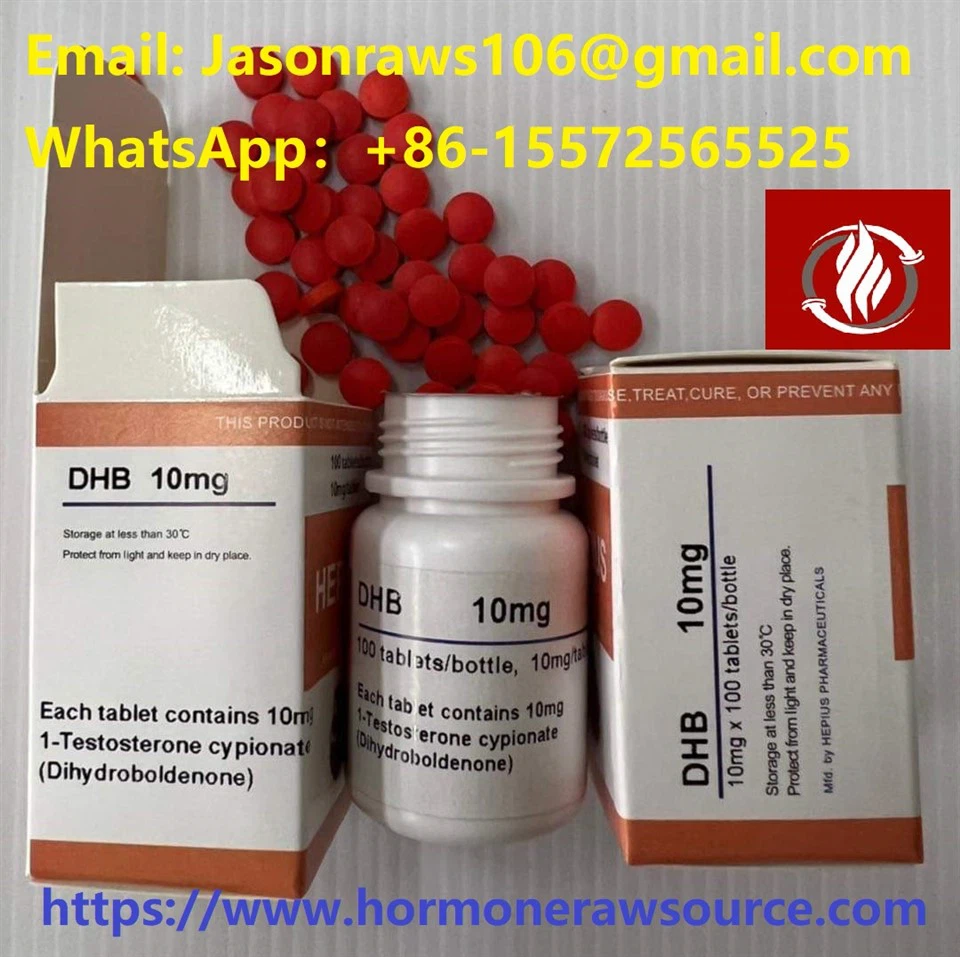
HEPIUS DHB(1-Testosterone Cypionate)CAS:65-06-5
DHB, also known as 1-Testosterone Cypionate, is an anabolic-androgenic steroid (AAS) derived from dihydroboldenone (DHB). It is a synthetic analogue of testosterone, modified to enhance its anabolic properties while reducing its androgenic effects. DHB is known for its ability to promote significant muscle growth, increase strength, and improve overall athletic performance. It is particularly popular among bodybuilders and athletes for its potent effects and relatively mild side effect profile.
Chemical Structure and Nomenclature
The chemical name for DHB is 17β-Hydroxy-5α-androst-1-en-3-one cypionate. Its molecular formula is C27H40O3, and it has a molecular weight of 412.61 g/mol. The cypionate ester attached to the 17-beta hydroxyl group of the molecule prolongs the release and activity of the drug, making it suitable for long-acting injectable formulations. This structural modification differentiates DHB from other anabolic steroids and contributes to its unique pharmacological properties.
Historical Background and Development
DHB was developed as a means to provide the anabolic benefits of testosterone without the pronounced androgenic side effects. Initially, it was explored for potential therapeutic applications, including the treatment of muscle wasting diseases and conditions requiring anabolic support. Over time, it gained popularity in the bodybuilding and athletic communities due to its effectiveness in promoting muscle hypertrophy and enhancing physical performance.


Chemical and Physical Properties
Molecular Structure and Formula
DHB (1-Testosterone Cypionate) features a unique structure that distinguishes it from other anabolic steroids. The presence of the cypionate ester increases its lipid solubility and slows its release into the bloodstream. This results in a prolonged anabolic effect, which is advantageous for users seeking sustained performance enhancement.
Solubility and Stability
DHB is soluble in oils, making it suitable for injectable formulations. It exhibits good stability when stored in a cool, dry place away from direct sunlight. The compound is stable under normal conditions, but its potency can be affected by prolonged exposure to heat and light.
Pharmacodynamics
The pharmacodynamics of DHB involve its interaction with androgen receptors in muscle tissue. This interaction stimulates protein synthesis, leading to increased muscle mass and strength. Additionally, DHB enhances nitrogen retention, creating an anabolic environment conducive to muscle growth and recovery.
Pharmacokinetics
Upon administration, DHB is slowly released into the bloodstream due to the cypionate ester. It is then hydrolyzed to the active form, 1-testosterone, which exerts its anabolic effects. The compound is metabolized in the liver and excreted primarily via the kidneys. The pharmacokinetics of DHB are characterized by its long half-life, allowing for less frequent dosing.
Applications
Medical Applications
While DHB is primarily known for its use in bodybuilding and athletics, there is ongoing research into its potential medical applications. These include the treatment of muscle wasting conditions, osteoporosis, and other disorders where increased anabolic activity could be beneficial. However, these uses are still under investigation and are not yet widely accepted in clinical practice.
Use in Bodybuilding and Athletics
DHB is highly valued in the bodybuilding community for its ability to promote lean muscle gains, increase strength, and enhance overall physical performance. It is commonly used during bulking cycles to build muscle mass or during cutting cycles to preserve lean muscle while reducing body fat. Its relatively mild side effect profile makes it a popular choice among athletes seeking effective yet manageable anabolic support.
Potential Therapeutic Uses
Research into the therapeutic potential of DHB is ongoing, with studies exploring its use in treating conditions such as muscle wasting, chronic fatigue, and osteoporosis. The anabolic properties of DHB make it a promising candidate for these applications, though further research is needed to fully understand its efficacy and safety in a medical context.
Benefits
Muscle Growth and Hypertrophy
DHB is known for its potent anabolic effects, which promote significant muscle hypertrophy. By stimulating protein synthesis and increasing nitrogen retention, it creates an optimal environment for muscle growth. Users often report substantial gains in muscle mass and strength when using DHB as part of a well-structured training and nutrition program.
Strength and Power Enhancement
In addition to promoting muscle growth, DHB enhances strength and power. This is particularly beneficial for athletes involved in strength sports, such as powerlifting and weightlifting. The increased strength allows for more intense training sessions and improved performance in competition.
Endurance and Recovery
DHB also improves endurance and recovery by increasing red blood cell production and enhancing oxygen delivery to muscles. This allows athletes to train harder and recover faster between workouts. The improved recovery reduces the risk of overtraining and injury, contributing to sustained athletic performance.
Nitrogen Retention and Protein Synthesis
One of the key benefits of DHB is its ability to increase nitrogen retention and stimulate protein synthesis. Nitrogen is a critical component of amino acids, the building blocks of muscle tissue. By maintaining a positive nitrogen balance, DHB supports muscle anabolism and reduces muscle breakdown.
Dosage and Administration
Recommended Dosages
The recommended dosage of DHB varies depending on the user's experience, goals, and tolerance. For beginners, a dosage of 200-400 mg per week is typically sufficient. Intermediate users may increase the dosage to 400-600 mg per week, while advanced users may opt for 600-800 mg per week. It is important to start with a lower dosage to assess tolerance and gradually increase as needed.
Administration Methods
DHB is typically administered via intramuscular injection. The slow-release nature of the cypionate ester allows for less frequent dosing, often once or twice per week. Proper injection techniques are essential to minimize the risk of infection and ensure optimal absorption of the compound.
Cycle Duration and Patterns
Typical cycles for DHB use range from 8 to 12 weeks. Shorter cycles may not provide sufficient time for the compound to exert its full effects, while longer cycles increase the risk of side effects. It is common to follow a cycle with a post-cycle therapy (PCT) regimen to help restore natural hormone production.
Stacking with Other Compounds
DHB is often stacked with other anabolic steroids to enhance its effects. Common stacks include testosterone, trenbolone, and various oral steroids. Careful consideration of the synergistic effects and potential side effects is important when designing a stack. Stacking strategies should be tailored to individual goals and experience levels.
Circulation and Half-Life
Absorption and Blood Circulation
Upon injection, DHB is gradually absorbed into the bloodstream. The cypionate ester prolongs its release, ensuring a steady supply of the active compound over time. This slow absorption helps maintain stable blood levels of DHB, contributing to its sustained anabolic effects.
Metabolism and Excretion
DHB is metabolized in the liver, where it is converted into various metabolites. These metabolites are then excreted primarily via the kidneys. The metabolism of DHB involves the same enzymatic pathways as other anabolic steroids, including reduction, oxidation, and conjugation processes.
Half-Life and Duration of Action
The half-life of DHB (1-Testosterone Cypionate) is approximately 8-12 days, though this can vary based on individual factors such as metabolism and injection site. The extended half-life allows for less frequent injections, typically once or twice per week. The duration of action of DHB ensures sustained anabolic support throughout the dosing period.
Detection Times in Drug Testing
Due to its long half-life and slow release, DHB can be detected in the body for several weeks to months after the last dose. Detection times vary based on factors such as dosage, duration of use, and individual metabolism. Athletes subject to drug testing should be aware of the extended detection window and plan their cycles accordingly to avoid positive test results.
Side Effects and Risks
Hormonal Imbalances
Like other anabolic steroids, DHB can disrupt the body's natural hormone balance. This can lead to side effects such as gynecomastia (breast development in men), testicular atrophy, and suppression of natural testosterone production. To mitigate these effects, users often employ aromatase inhibitors and post-cycle therapy (PCT) protocols.
Cardiovascular Effects
DHB can negatively impact cardiovascular health by altering lipid profiles. It may increase levels of bad cholesterol (LDL) and decrease levels of good cholesterol (HDL), increasing the risk of heart disease and other cardiovascular conditions. Monitoring cholesterol levels and maintaining a heart-healthy lifestyle is important for users of DHB.
Research and Future Directions
Current Research and Studies
Ongoing research on DHB is focused on its potential therapeutic applications and further understanding its pharmacological properties. Studies are exploring its use in treating muscle wasting conditions, osteoporosis, and other disorders where anabolic support may be beneficial. The results of these studies will help determine the future medical applications of DHB.
Potential Medical Applications
The anabolic properties of DHB make it a promising candidate for various medical applications. Potential uses include the treatment of muscle wasting diseases, chronic fatigue, and osteoporosis. Further research is needed to establish the efficacy and safety of DHB for these applications, as well as to identify optimal dosing and administration protocols.
Innovations in Anabolic Steroid Research
Advancements in anabolic steroid research continue to emerge, with a focus on developing compounds with improved efficacy and safety profiles. Innovations may lead to new applications for DHB and related compounds, as well as the development of novel anabolic agents with enhanced therapeutic potential. The future of anabolic steroid research holds promise for the discovery of new treatments and performance-enhancing compounds.
Clinical Data
| Brand |
HEPIUS |
|
Trade names |
Testosterone 17B-cypionate, 1-Test cypionate |
|
CAS |
65-06-5 |
|
Molar mass |
412.6 |
|
Formula |
C27H40O3 |
|
Purity |
Above 98% |
|
Apprarance |
10mg*100 |
Any needs, please contact us
Email: Jasonraws106@gmail.com
WhatsApp: +86-15572565525
Telegram: +86-19128233885



Conclusion
Summary of Key Points
DHB (1-Testosterone Cypionate) is a potent anabolic-androgenic steroid with applications in bodybuilding, athletics, and potentially in medicine. It promotes significant muscle growth, increases strength, and enhances overall physical performance. Its relatively mild side effect profile and long-acting nature make it a popular choice among users seeking sustained anabolic support.
Considerations for Safe Use
To ensure safe use of DHB, it is important to follow recommended dosages, adhere to proper administration techniques, and monitor for potential side effects. Users should employ appropriate post-cycle therapy protocols to restore natural hormone production and mitigate adverse effects. Consulting with medical professionals and adhering to legal guidelines is essential for safe and informed use.
Future Prospects and Developments
The future of DHB use and research looks promising, with ongoing studies exploring new therapeutic applications and innovations in anabolic steroid development. As research progresses, our understanding of DHB will continue to evolve, potentially leading to new and improved uses in both medical and athletic contexts. The continued exploration of anabolic steroids holds promise for the discovery of novel compounds with enhanced benefits and reduced risks.
Hot Tags: HEPIUS DHB(1-Testosterone Cypionate)CAS:65-06-5, China HEPIUS DHB(1-Testosterone Cypionate)CAS:65-06-5 manufacturers, suppliers, factory

